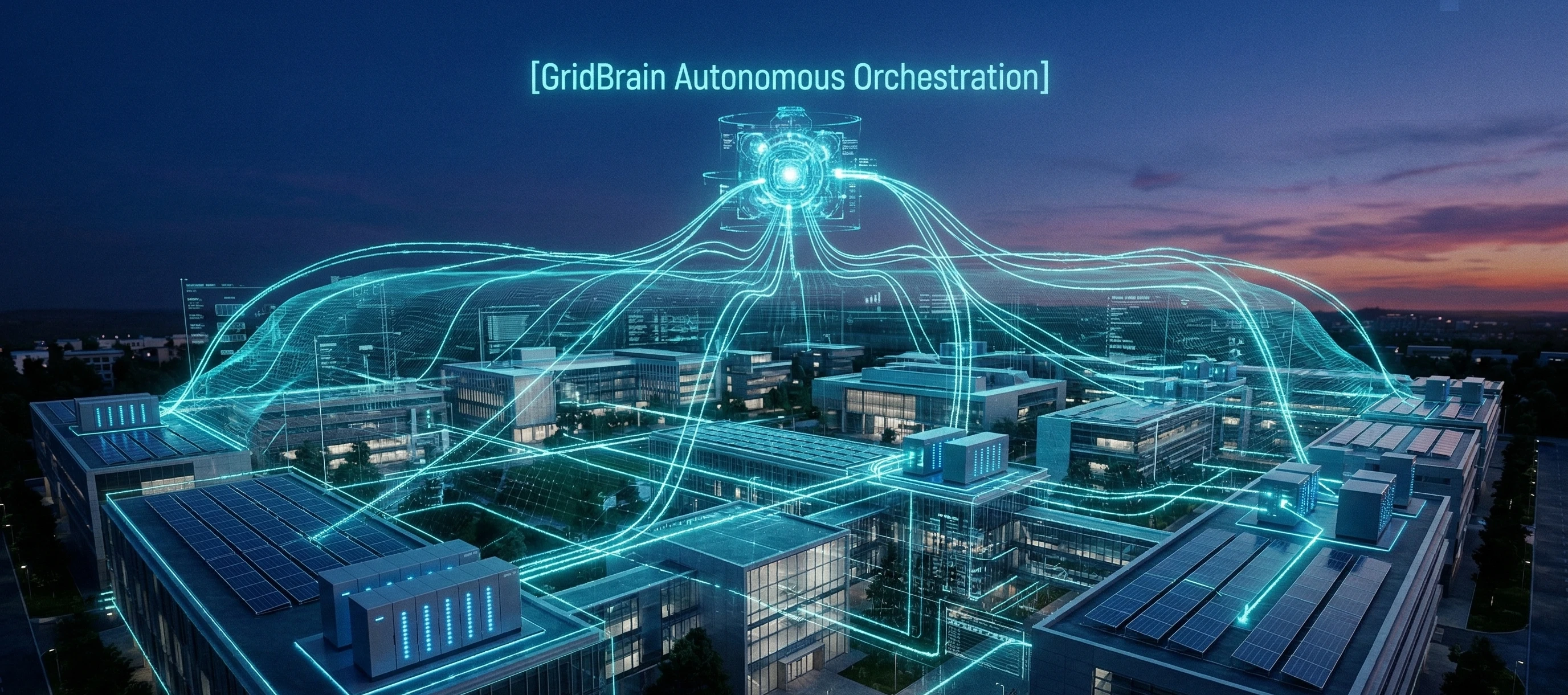
Campuses are becoming living energy systems with generation, storage, and flexible demand. Transitioning from static management to autonomous orchestration is key to meeting sustainability goals while maintaining grid stability.
Key Capabilities
These systems offer several critical advantages. Peak shaving automatically discharges storage to reduce demand charges during high-use periods. In the event of grid instability, island mode automation allows the campus to seamlessly transition to local power, ensuring uninterrupted operations. Furthermore, carbon-aware dispatch actively prioritizes renewable energy consumption based on real-time carbon intensity signals from the grid.
By leveraging Causal AI, the campus digital twin predicts load spikes not just through history, but by understanding the relationship between occupancy, weather, and operational schedules. This allows for a proactive energy posture that reduces costs without impacting occupant comfort.